In January of this year, the Collierville Historic District Commission sat down to review a project at 215 South Center Street. The house on that lot, known as the Joseph A. Campbell House, was built around 1876 and rebuilt around 1898 in a Queen Anne Cottage style. It spent the 1990s as office space. It's individually listed on the National Register of Historic Places. And back in December 2019, when a previous applicant asked to tear it down, the commission said no, finding that the structure still carried historical significance.
Six years later, a new owner is working through the site plan process for that same address, and the commission attached fifteen separate conditions before recommending approval, with a planning commission hearing and a Board of Mayor and Aldermen vote still to come before anyone pulls a building permit. That's not a story about a difficult project. That's what the ordinary path looks like for a piece of property inside Collierville's Historic District, and it's the thing buyers usually don't find out until they're already three weeks into a purchase.
The Number That Should Change How You Shop
Here's the part that surprises people who assume historic charm comes with a price tag attached. As of late August 2026, homes listed as being in Collierville's Historic District carried a median list price around $558,000, while the town's broader market sat at a median list price of $578,000 in July 2026. Days on market ran about 71 to 74 days in both cases. In other words, a house two blocks off the Square isn't priced meaningfully different from a house in a newer subdivision on the other side of town.
That's the thesis worth sitting with: price parity is hiding a completely different set of rules about what you can do to the house once you own it. A $560,000 house in a 2019 subdivision and a $560,000 house built in 1910 near the Square cost about the same to buy. They do not cost the same to renovate, and the difference isn't measured in dollars first. It's measured in who gets to say yes.
What Actually Requires a Certificate of Appropriateness
Inside the Historic District, known formally as the H-1 Overlay, exterior changes visible from a public road fall under the Historic District Guidelines rather than standard town permitting alone. The Historic District Commission, a seven-member body serving staggered five-year terms, reviews most alterations and decides whether to issue what the town calls a Certificate of Appropriateness. Some routine work can be approved administratively by staff. Most cannot.
Here's a rough sense of where that line falls:
| Likely needs formal HDC review | Often handled at the staff level |
|---|---|
| New additions or demolition | Replacement using matching materials |
| Changes to roofline, siding, or window openings | Routine maintenance and repair |
| New construction on a vacant historic lot | Interior work with no exterior impact |
| Fences, walls, and signage in view of the street | Like-for-like repairs already approved by guideline |
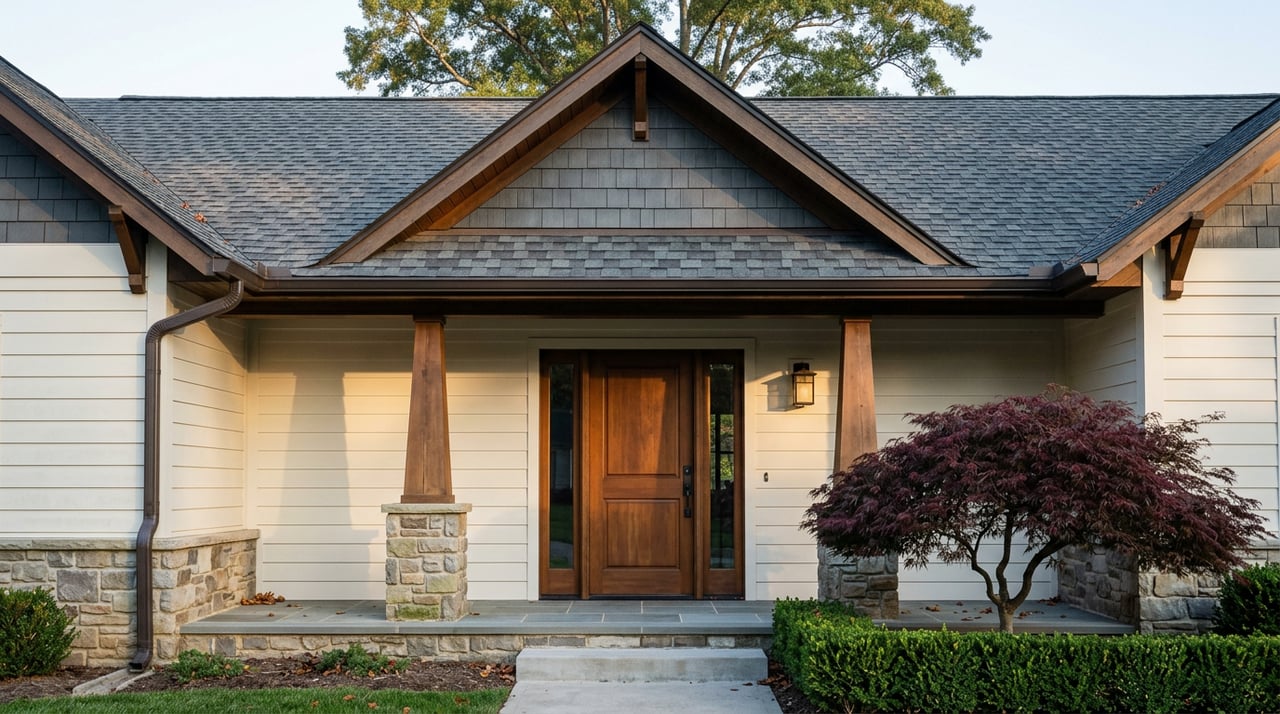
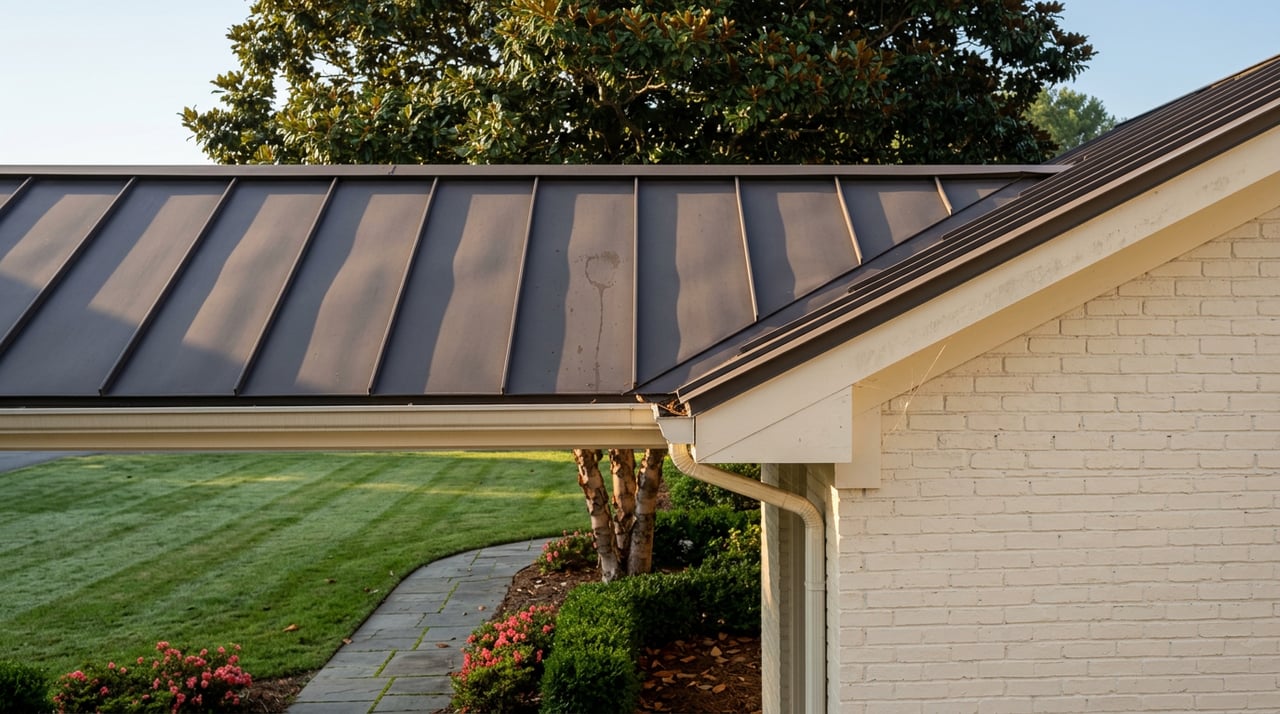
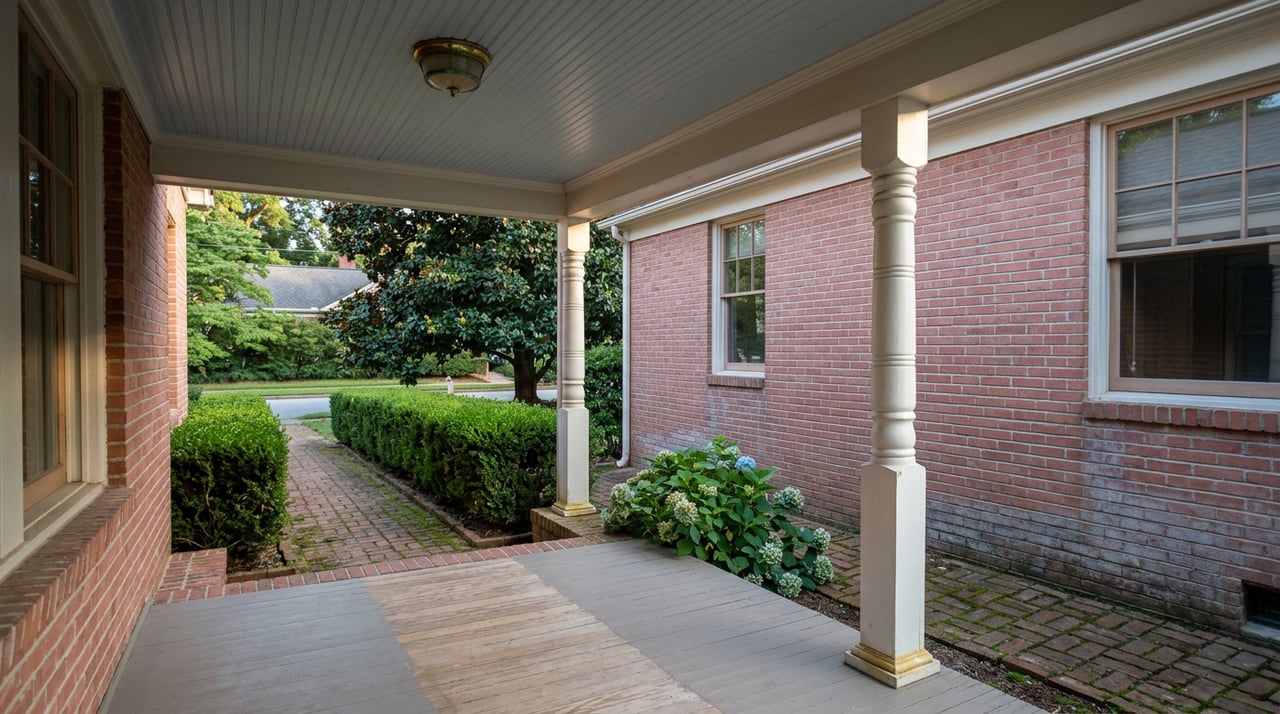
The commission's own guidelines walk through this in more detail, but the practical takeaway for a buyer is simpler than the paperwork: if you're picturing a new front porch, a metal roof swap, or an addition off the back, budget time for a hearing, not just a contractor's quote.
Three Hundred Certificates In, This Isn't Rare
It would be easy to read the Campbell House story as an outlier, the kind of fight that only happens to National Register landmarks. It isn't. The Historic District Commission has issued Certificates of Appropriateness for more than 300 private properties inside the H-1 Overlay since the program began. That number tells you this process isn't reserved for a handful of contested landmarks. It's the standard path nearly every owner in the district eventually walks, whether they're replacing a fence or reworking a kitchen addition that pokes past the original footprint.
That routine-ness cuts both ways. On one hand, the commission has a long track record of approving reasonable, well-documented projects, and organizations like Main Street Collierville, a preservation nonprofit that has worked with property owners in the district since 1991, exist specifically to help people through that process rather than around it. On the other hand, "routine" doesn't mean "fast." A project that would take a contractor two weeks to permit in a standard subdivision can take considerably longer here once a hearing date, staff review, and possibly a Planning Commission or Board of Mayor and Aldermen step get added to the calendar.
What This Means Before You Write an Offer
If a historic-district listing has you picturing a renovation, a few questions are worth asking before you're under contract, not after.
First, ask whether any exterior work you're planning would be visible from the street. If the answer is yes, assume it needs a Certificate of Appropriateness rather than assuming it doesn't. Second, ask the listing agent whether the current owner has any open applications or unresolved conditions with the commission. A property mid-review, like the Campbell House currently is, comes with obligations that can transfer to a new owner along with the deed. Third, if your plans involve anything more than a like-for-like repair, build the review timeline into your renovation schedule the same way you'd build in a mortgage underwriting timeline. It's a real step with a real calendar, not a formality.
None of this makes buying in the Historic District a bad decision. Plenty of buyers want exactly what the district offers: a walk to the Square, a house with a history, neighbors who've usually already been through this process themselves. It just means the due diligence period should include a conversation about what the house looks like from the street, not only what the inspection report says about what's underneath it.
FAQ
Does the Certificate of Appropriateness process apply to interior renovations? Generally no. The Historic District Guidelines govern exterior alterations visible from public roads. Interior remodeling that doesn't touch the exterior typically falls under standard building permits rather than HDC review, though any exterior impact, even something like relocating a window, can pull it back into the formal process.
If the seller already has an approved Certificate of Appropriateness, does that carry over to me as the buyer? An approved certificate is tied to the property and the approved scope of work, not to the person who applied for it. If you're buying a house with an active or recently approved COA, ask for the documentation and confirm what work is still outstanding, since unfinished conditions of approval can become your responsibility at closing.
Can I just repaint the house without going through the commission? Paint color isn't typically part of what triggers formal review in most local historic districts, but Collierville's own guidelines are the authority here, and staff can tell you in a short phone call whether a specific color or material change needs sign-off or can be handled administratively.
If you're weighing a historic-district address against something newer on the other side of town, that's exactly the kind of comparison worth working through with someone who's watched both markets for a while. Christopher Farm has spent years helping buyers in Collierville and across the Memphis metro sort out what a listing price does and doesn't tell you. Let's Connect before you write the offer, not after the first contractor bid comes back higher than you expected.